



In Memoriam
It is with deep sadness that we share the passing of our colleague and friend, Melody. Melody was a dedicated team member who brought deep compassion, dedication, talent, spirit and warmth to every day. Her commitment to excellence and genuine care for others left a lasting impact on all who had the privilege of working alongside her.
Melody will be remembered for her kindness, integrity, and the positive energy she brought into our workplace. She exemplified the values we strive for and enriched our community in countless ways.
Melody will forever be with us in spirit, and will continue to guide us in our pursuit of excellence.
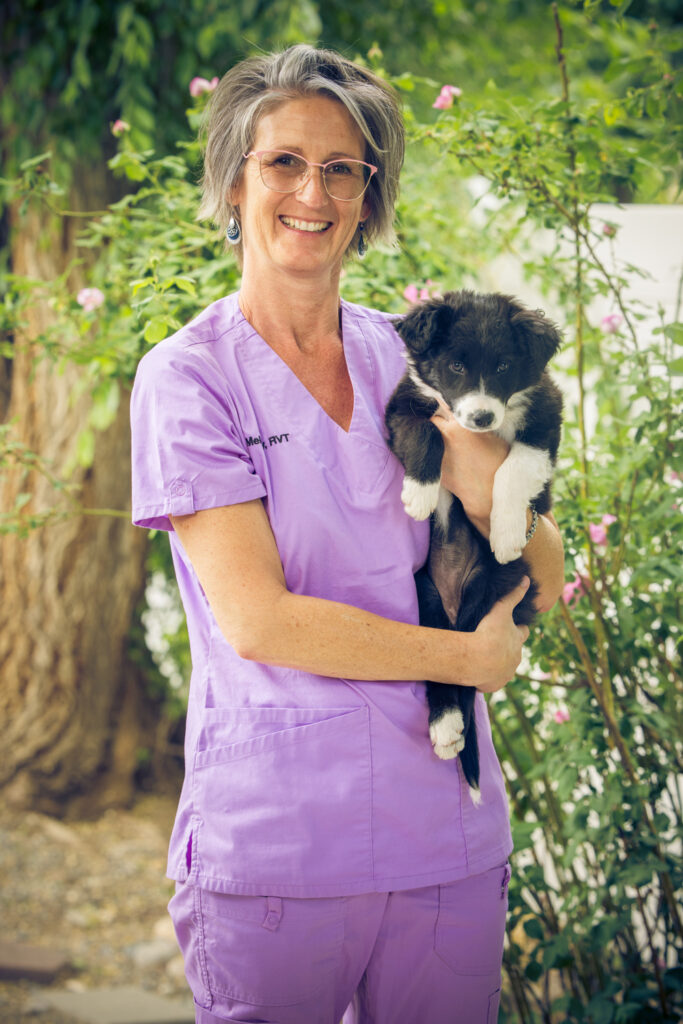
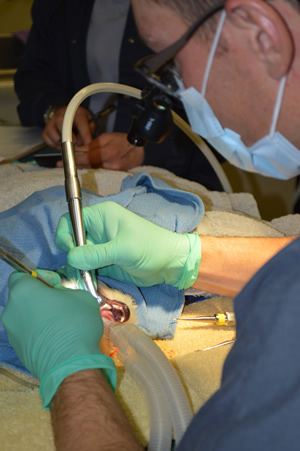
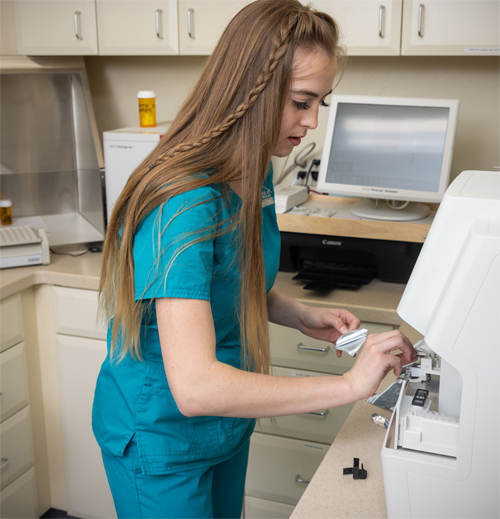
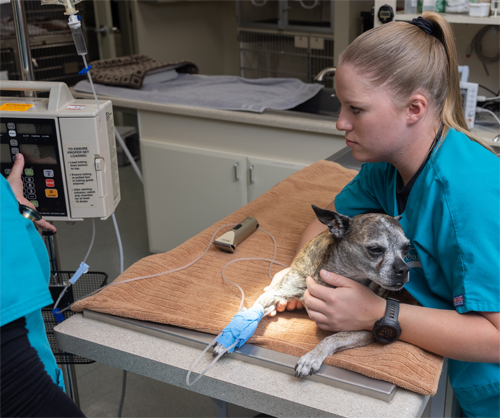
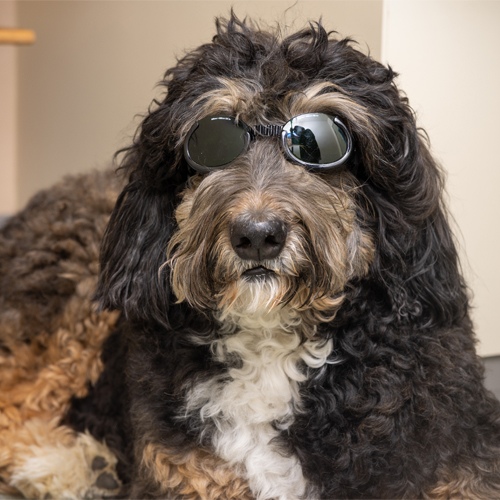
We are a full-service companion animal care hospital in Montrose, Colorado,
offering exceptional state-of-the-art medical care.
We strive for perfection in the care of your furry family.
Communication Code of Conduct
Our practice strives to have clear, calm, polite and respectful communication with our clients. We all need to be respectful of each other’s time and strive to have efficient and effective interactions for the benefit of all.
These ideals facilitate positive outcomes in all aspects of our interactions. Without this cooperative effort there can be challenges that adversely affect the experience for everyone. We will not tolerate offensive or aggressive communication towards our staff.
We appreciate your patronage and strive for positive interactions. We are happy to transfer your pet(s) records if you do not share the same vision.
Our Services



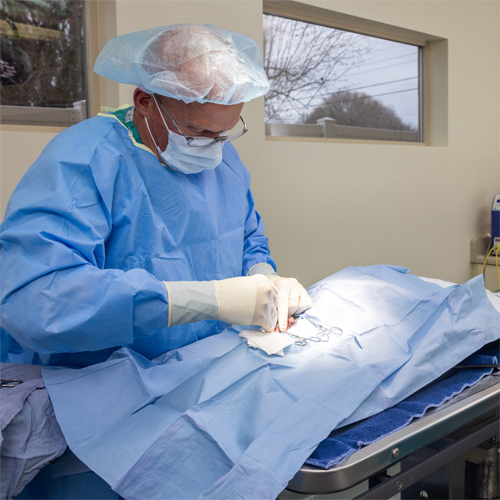
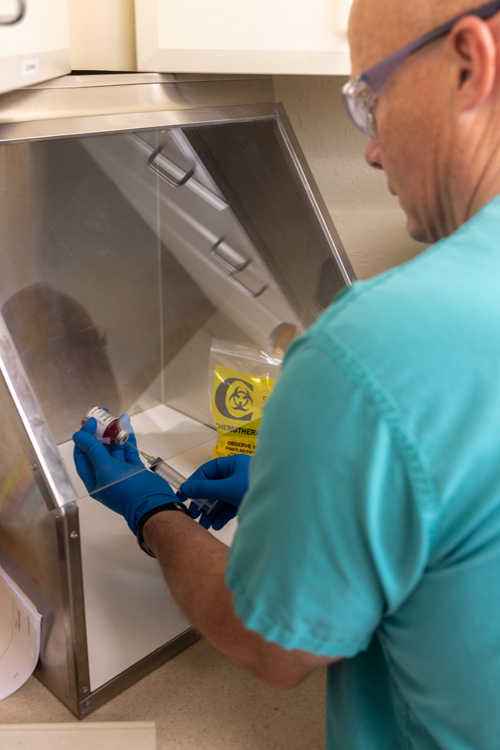



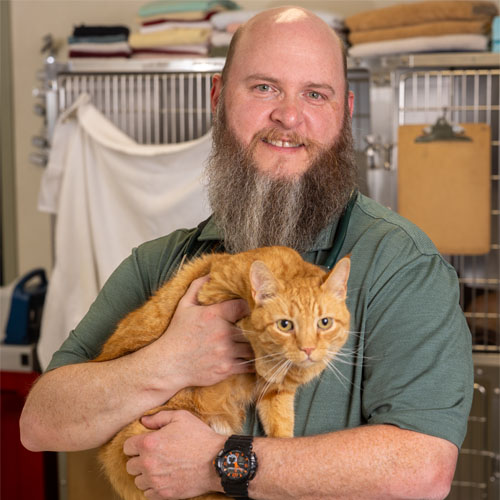
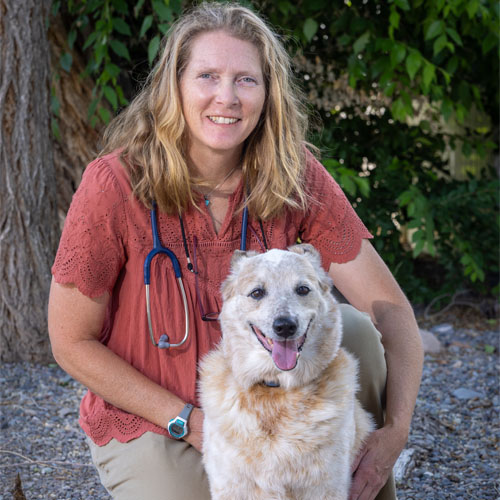
Meet our Vets.
We know your pets will like them as much as we do!
Meet our Staff.

Pet of the Month
We love your pets, so we’re showcasing them.
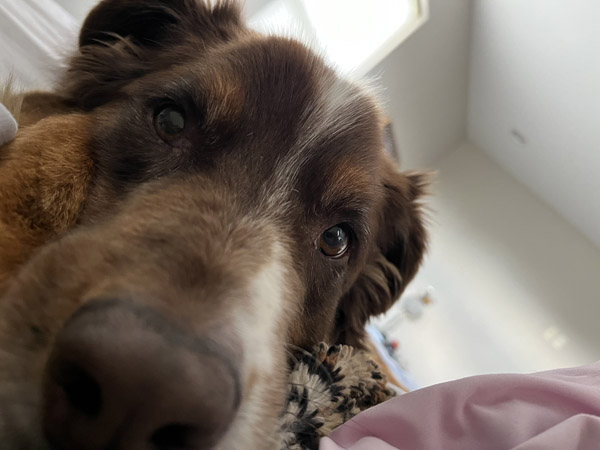
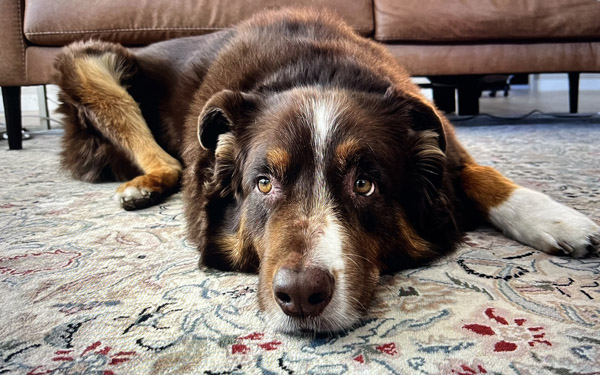
- Ito
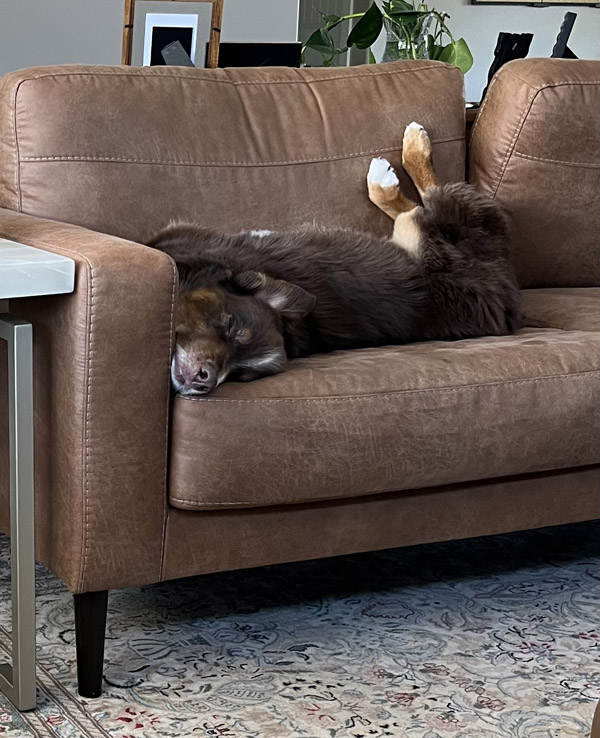
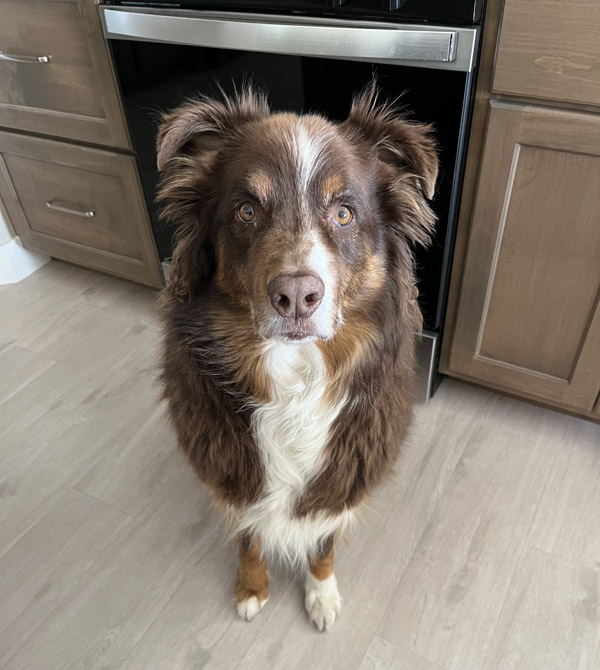
🎉 Meet Ito — a sweet, silly boy who loves long walks, squeaky toys, and keeping his mom on her toes! We’re thrilled to celebrate this lovable and hilarious pup as our October Pet of the Month!
🚶 Favorite Thing to Do Together: Going for long walks — especially when it’s not too hot!
🏊 Swimming: Absolutely not! Ito prefers to keep his paws firmly on dry land. 😂
🎾 Favorite Toy: His favorite yellow squeaky ball!
🛏️ Favorite Place to Sleep: Mom’s bed or the couch. Because why choose just one?
🦴 Favorite Treat: Anything his mom is eating. Obviously. 😉
🐾 Tricks & Special Talents: Ito can shake hands like a gentleman, but his true superpower is getting something he shouldn’t eat into his mouth in less than 0.0005 seconds. Lightning‑fast mischief!
😂 Quirky & Funny Behavior: Ito loves to bring you a toy… but the moment you reach for it, he spins around and presents his wiggle bootie instead — because what he really wanted was a booty rub!
❤️ Congratulations, Ito! We’re so happy to celebrate this sweet, squeaky‑ball‑loving, wiggle‑bootie boy as our Pet of the Month!
We’re on Facebook
Photos from bark & whiskers's post ... See MoreSee Less
Comment on Facebook
💉🐾 Why Are Vaccines So Important for Pets? 🐾💉
🚨 Did You Know? Many of the diseases vaccines protect against can be life-threatening for pets.
Vaccines are one of the simplest and most effective ways to protect your furry family members. They help your pet's immune system recognize and fight off dangerous diseases before they can become serious illnesses.
✅ Protect against preventable diseases
✅ Help pets live longer, healthier lives
✅ Reduce the spread of contagious illnesses
✅ Help avoid costly treatments and hospitalizations
✅ Protect against rabies, a disease that can affect both animals and people
🏠 Even indoor pets aren't completely protected. Diseases can be brought into the home on shoes, clothing, through open doors, or exposure during routine outings.
❤️ A simple vaccine today can help protect years of tail wags, purrs, cuddles, and memories tomorrow.
🐶🐱 During National Pet Wellness Month, take a moment to make sure your pet is up to date on their vaccinations and preventive care.
📞 Call us today to schedule your pet's wellness visit!
#NationalPetWellnessMonth #VaccinesSaveLives #PetHealth #PreventiveCare #HealthyPetsHappyPets #VeterinaryCare #ProtectYourPet 🐾💙 ... See MoreSee Less
Comment on Facebook
🐾💙 October is Animal Safety & Protection Month! 💙🐾
Our pets depend on us to keep them safe, healthy, and protected every day. This month is a wonderful reminder to take a few simple steps that can make a big difference in your pet's life.
✅ Make sure ID tags are up to date
✅ Verify microchip information is current
✅ Schedule wellness exams and vaccinations
✅ Keep harmful foods and household toxins out of reach
✅ Have an emergency plan for your furry family members
A little preparation today can help keep tails wagging and purrs coming tomorrow! 🐶🐱
Let's work together to keep every pet safe, loved, and protected. ❤️
📸 Share a photo of your protected pet in the comments!
#AnimalSafetyAndProtectionMonth #PetSafety #ProtectOurPets #HealthyPetsHappyPets #VeterinaryCare #PetParents #FurFamily #AnimalHealth 🐾 ... See MoreSee Less
Comment on Facebook
We’re on Instagram